
Dog Meat in Vietnam & Other Cultural Differences
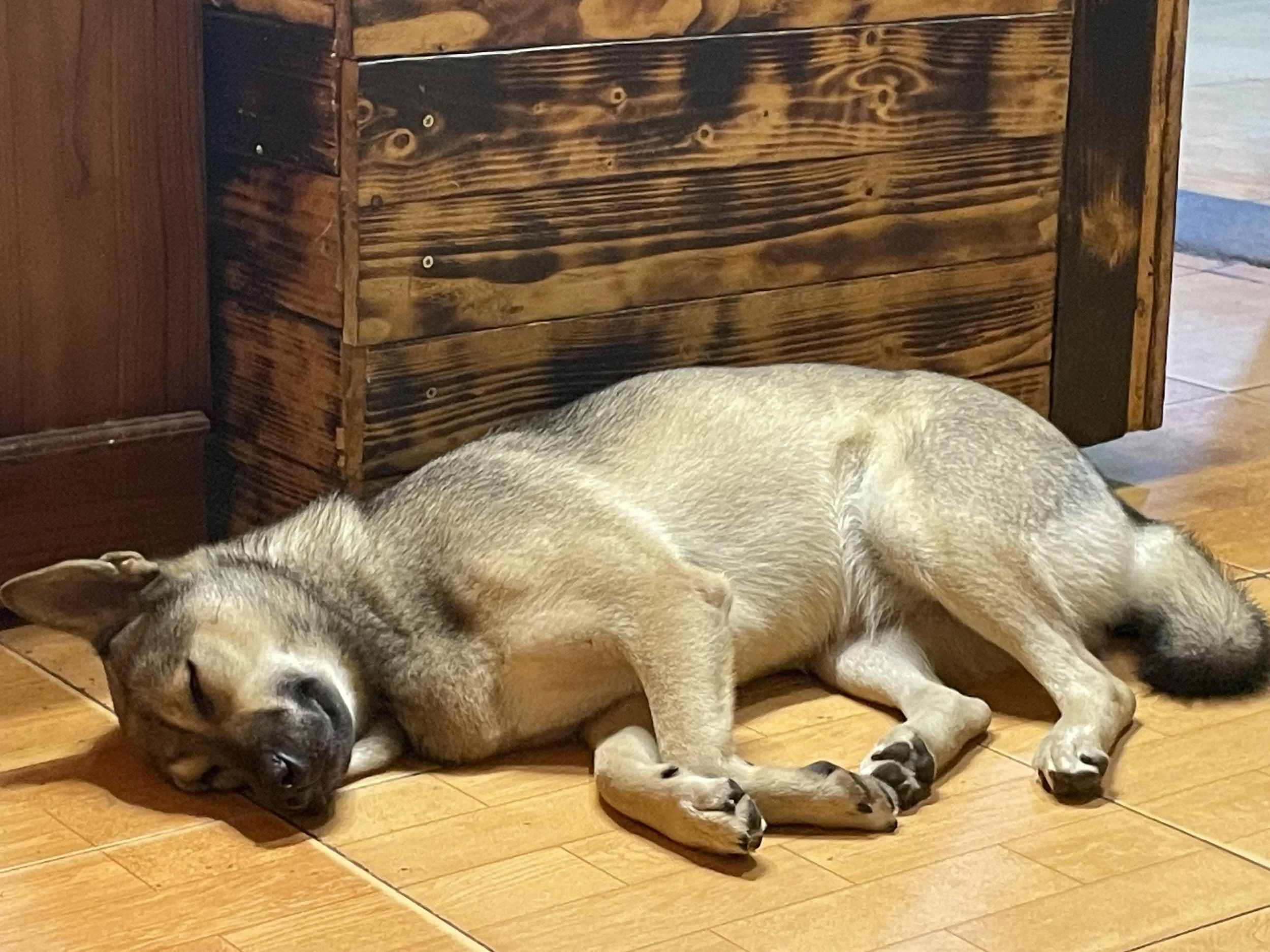
Yes, sometimes they eat dogs.
And cats too.
Cultural Differences in Vietnam
There are, of course, numerous and notable cultural differences between us being Brits and what is normal here in Vietnam. And just like Britain, if studied, there will be particular cultural differences region by region, city by city, town by town, village by village. So, given that we’ve only been here a short time and can hardly claim to be experts, we can only give a superficial view into the differences and peculiarities that we’ve noticed thus far.
For example, there is little to no road rage out here. There is, however, a fuck-ton of beeping. But the constant beeping is not equated to annoyance, or aggression. It is simply to let other road users know that they are also there. Scooters will beep when they enter a road from a junction. Cars will beep when overtaking. Pedestrians will get beeped-at from oncoming traffic even if there’s more than enough space for them to safely pass. It’s strange though, because coming from the West, we are so hard-wired to associate car horns with aggression that our instinctive reaction is to get annoyed - and yes, it is still a loud and sudden sound, which can be startling. But there is no shouting, no fist-waving, no violent gesticulating. Just parping, to say, ‘I’m here — just to let you know…’
There is also a nice way of demonstrating respect to someone that we have started to notice, when being handed money: one hands-over the money single-handedly whilst placing the other hand on the forearm. It’s simple but noticeable, and we have started to adopt it, although I have read that especially when giving or receiving money from an older person, using both hands is the respectful practice to use.
Other cultural differences are less welcome, from a western perspective - or at least, from our perspective: when passing-by one of the ubiquitous open-fronted restaurants or cafes, if we pause to so-much as glance at the menu, at least one staff member will rush out, beckoning us into their establishment. Even after assuring that “we’re just having a quick look, thanks”, they tend to just stand there, suddenly a part of the family, perhaps wondering — as E and e might be — if Mummy and Daddy will let them have a fizzy drink with their food.

Pavements are frequently un-walkable, stuffed full of parked scooters, bicycles, and sometimes cars, so one is forced to walk in the actual road. The road systems, especially in the quieter regions are used by vehicles — particularly scooters — with, as the French say, a laissez-faire, so one is never one hundred per cent certain which direction the traffic will be coming from. One example we had recently had us walking along a fairly busy road only to be confronted by a massive touring coach, pulled over, dark and empty in the gathering dusk, completely blocking our way. So after assuring that the road was clear of oncoming traffic coming from our left, we edged quickly around the still slumbering beast, only to be confronted by the mosquito-buzz of a scooter, heading straight for us — on the wrong side of the road.
Dog meat consumption in Vietnam
But yeah, dog meat is a thing out here.
Here are some basic, yet quite horrific, facts:
One recent study found that 11% of people in Hanoi and 1.5% of people in Ho Chi Minh City, regularly consume dog meat (at least once a month on average)
A belief by some consumers persists — despite no scientific evidence — that dog meat has medicinal properties and can increase male virility
Dogs are usually killed with a knife to the jugular and heart, in full view of other dogs
A 2016-2017 study of dog brain samples from Hanoi slaughterhouses commissioned by Asia Canine Protection Alliance showed that one out of every 100 dogs had been infected with rabies
Several animal welfare groups regularly publish online advice for dog and cat-owners to help keep their animals safe, such as: not letting them roam unsupervised outside of your own property due to the high kidnap-potential; making sure they don’t eat anything from the street (as poison disguised as treats — such as meat skewers — is a common tactic), and walking them on a leash.
Is dog meat consumption on the decrease?
Thankfully, whilst it is still common — especially when the Tết holiday (Lunar New Year) approaches when there is an alarming increase in dog and cat thefts — the actual consumption of dog meat in Vietnam is a declining trend, due to shifting generational viewpoints, along with continuing pressure from animal campaign groups such as Four Paws and Paws For Compassion, as well as various social media groups
.
Dog meat is considered a celebratory or ‘lucky’ dish for various social gatherings or festivals, and even though it is in decline (polls and reports from 2023 and 2024 show that the majority of Vietnamese people now support a ban on the trade) Vietnam still kills more dogs for meat than any other country in Southeast Asia.
Hoi An itself has recently made progress in phasing-out the dog and cat meat trade - in 2021 the People’s Committee signed an agreement with Four Paws to become a ‘tourist-friendly’ city, free of the barbaric and outdated trade.
Please find below the sources I have used for parts of this blog, if you would like to learn more about the cultural practice of the dog and cat meat trade.
Sources:
General:
Dog meat facts:
Info about keeping dogs safe:
https://pawsforcompassion.org/dog-and-cat-meat-trade/